Alejandro Hernández
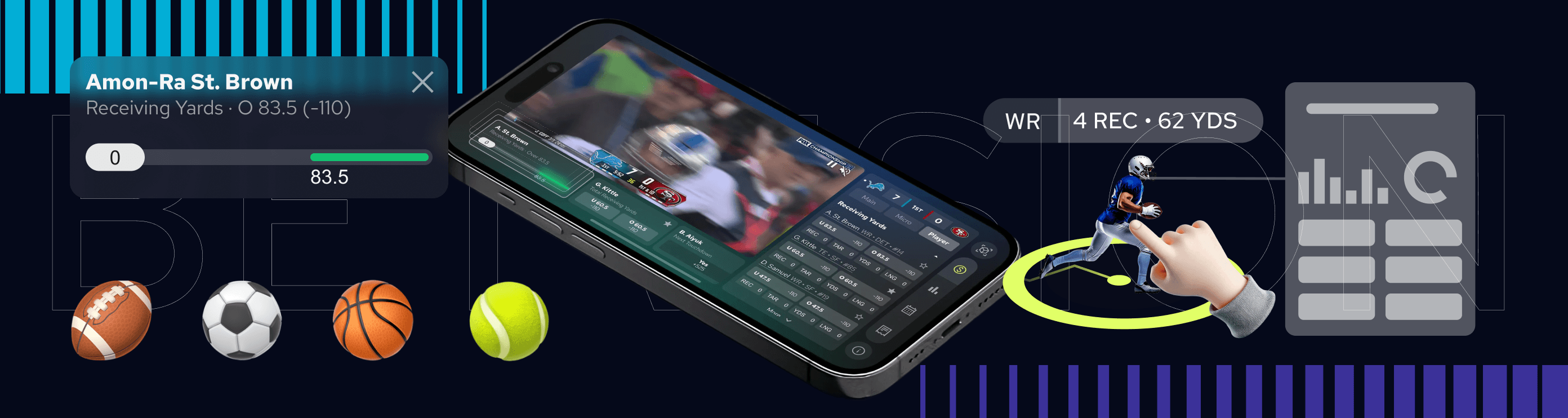
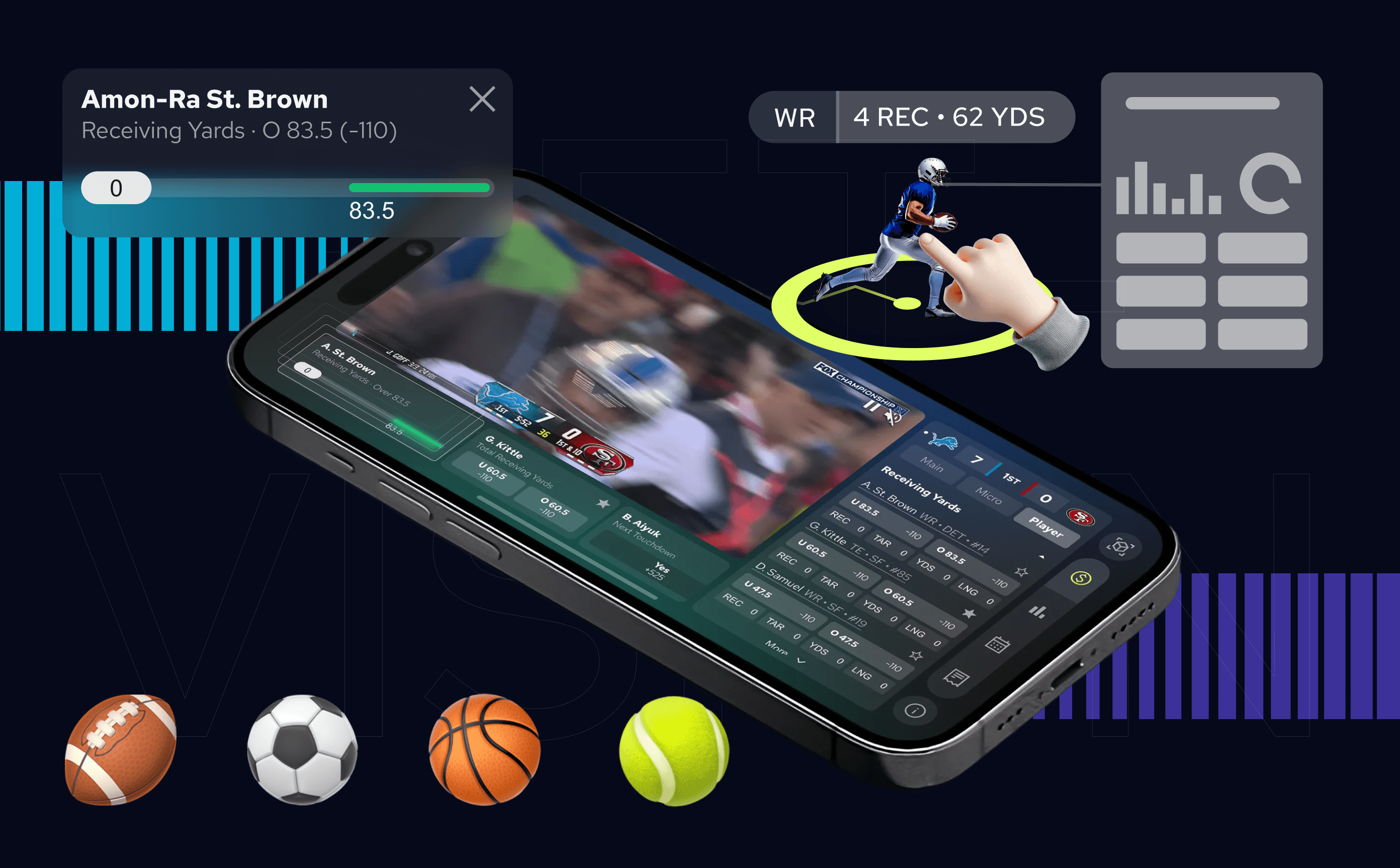
BetVision combined ultra-low latency streaming, live betting markets and contextual sports data into a single operational experience designed for real-time decision making.
Company
Role
Year
sCOPE
Product Design - UX Strategy - Design Systems - Research - Prototyping - Cross-functional Collaboration
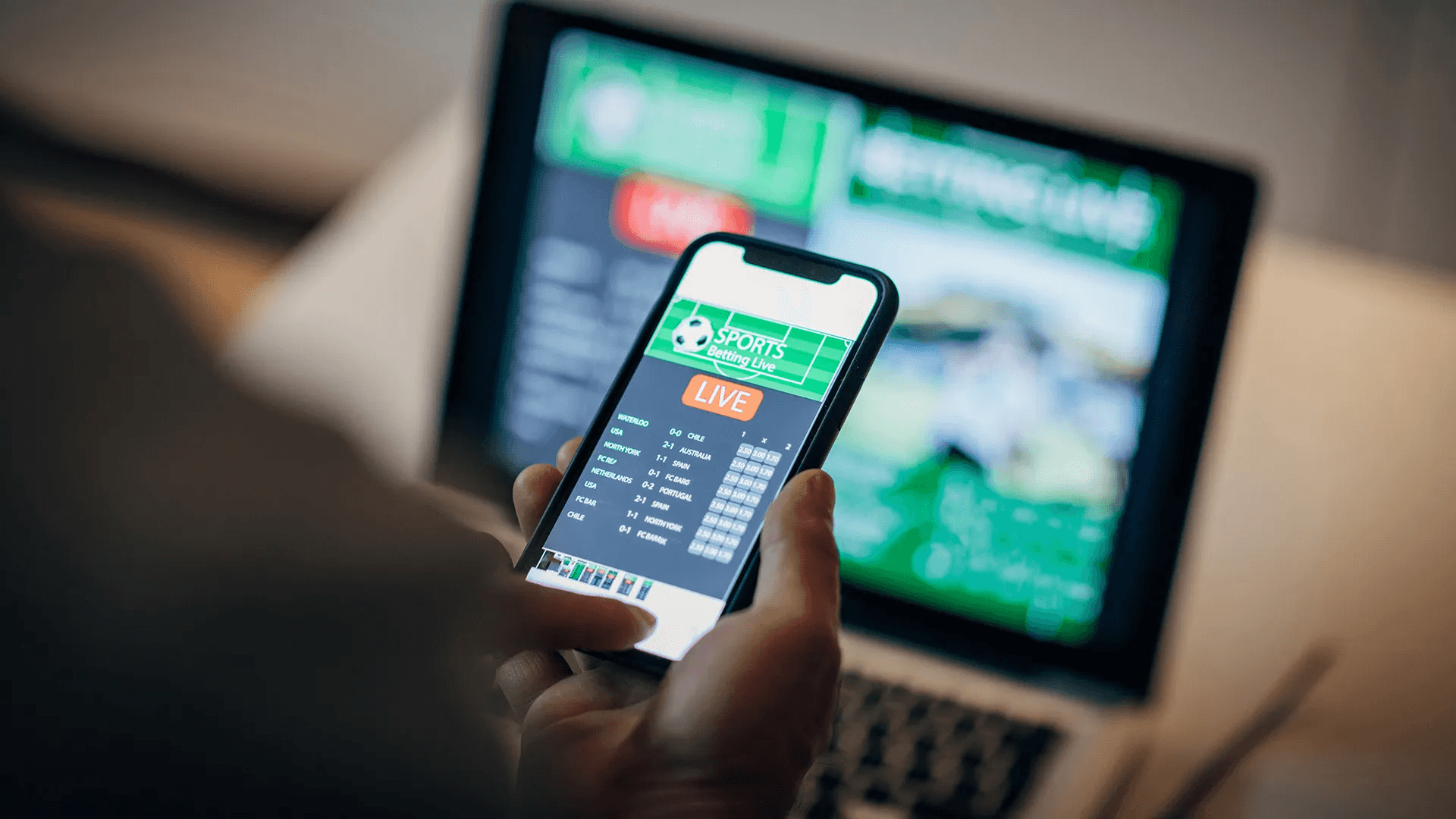
Sports bettors usually had to split their attention between multiple experiences during live games, watching the match on TV or another app while placing bets separately on their sportsbook.
At the same time, many sportsbooks relied on animated match trackers instead of live video, limiting the amount of real-time context users had when making betting decisions.
BetVision was created to bring live streaming, betting markets and contextual sports data into a single experience that felt faster, more immersive and easier to use during live matches.
The opportunity became much bigger after Genius Sports acquired Second Spectrum, giving the company access to in-stadium tracking technology, real-time player data and augmentation capabilities that could be layered directly into the live stream experience. Combined with exclusive streaming rights for certain leagues, this opened the door to building a type of betting product that very few competitors could realistically replicate.
One of the biggest challenges was designing an experience that could support fast decision making without overwhelming users during live matches.
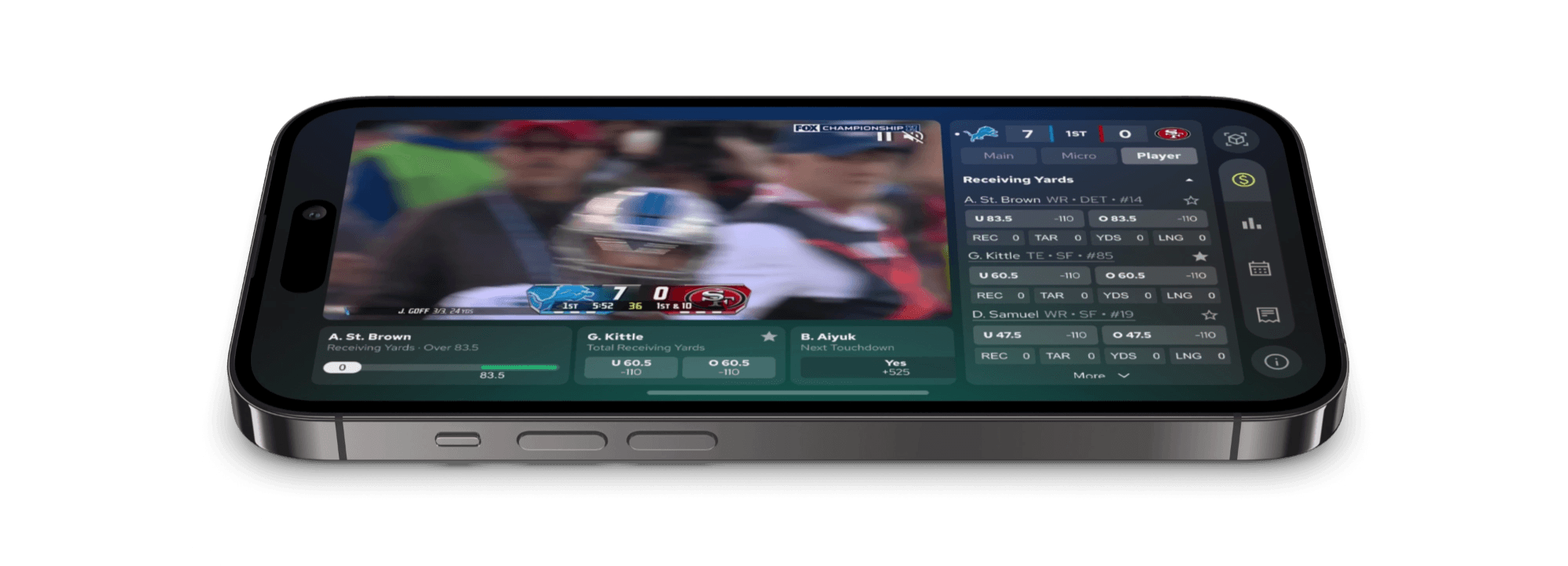
The product had to combine live video, betting markets, player stats, bet tracking and contextual interactions inside a single interface, while still allowing users to focus on the game itself.
Because the product lived inside different sportsbook ecosystems, the experience also needed to adapt to multiple operator structures, betting categories and technical limitations without feeling inconsistent or confusing.
Timing became a critical part of the experience. Even small interaction details, like animation durations or transitions between odds updates, could affect how quickly users reacted during live betting moments.
A big part of the work became finding the right balance between engagement and usability. The experience needed to surface enough real-time information to feel valuable, while avoiding unnecessary friction or cognitive overload during high-pressure moments.
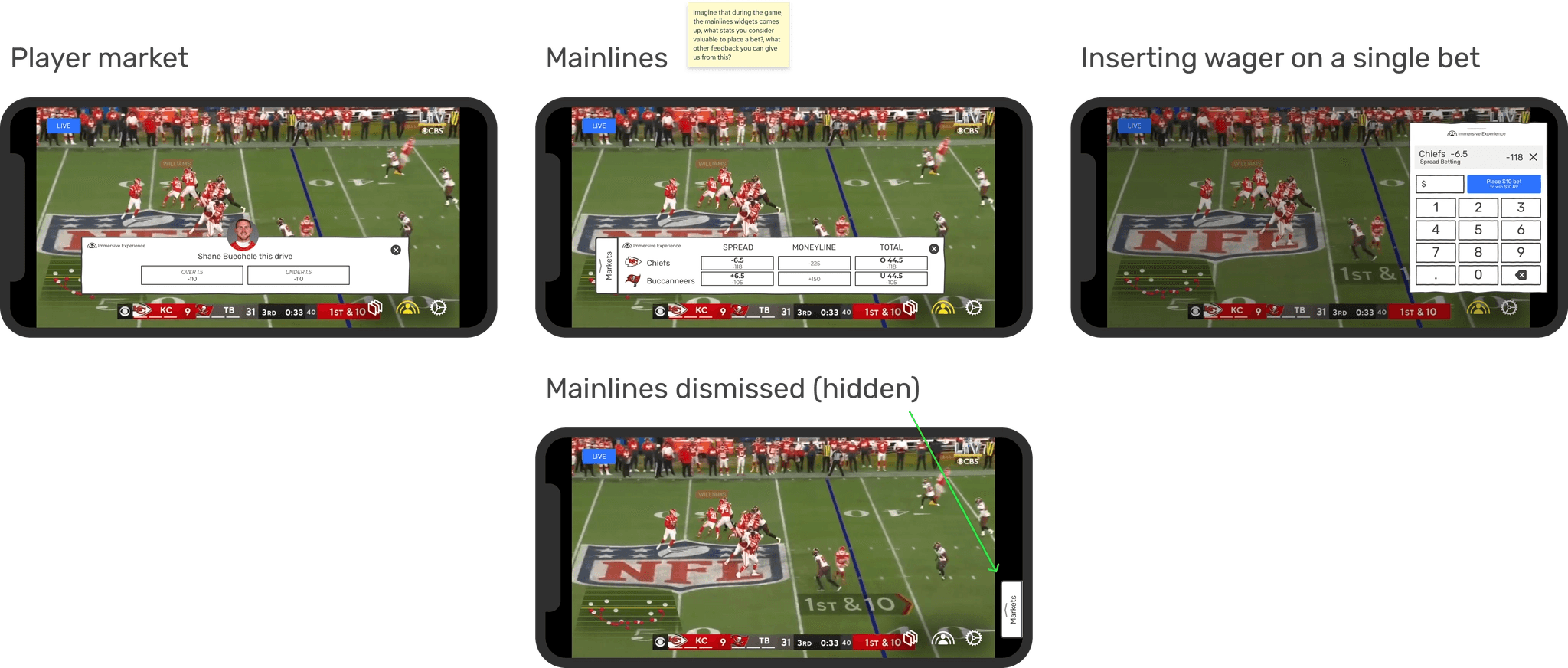
A big part of the design process was understanding how user behavior changed throughout a live match.
To better organize the experience, I mapped the timeline of a typical game to identify key moments where users were more likely to place bets, check odds, follow player performance or look for additional context before making decisions.
These insights became an important input for structuring the experience around timing and relevance instead of simply displaying as much information as possible at once.
The goal was to reduce cognitive load by surfacing the right information at the right moment, while keeping the experience fast enough for live betting conditions.
This also changed how I approached interaction details. In some cases, UI transitions that initially looked visually polished became too slow or distracting once tested in real-time betting scenarios, where even milliseconds could affect user decisions.
Another important consideration was familiarity. Because BetVision lived inside existing sportsbook apps, parts of the navigation and betting structure needed to stay closely aligned with the host sportsbook experience to avoid increasing cognitive friction during live matches.
Touch-to-Bet: Tap any player on the live stream to instantly access their stats and place a bet, without leaving the video.
Personalised Bet Tracking: Follow active bets in real time while continuing to watch the game.
Contextual Market Recommendations: User preferences surface relevant bet suggestions based on what's happening in the game.
Integrated Betslip: Place and manage bets directly within the stream, removing the need to switch between apps.
A large part of the project involved adapting the experience around evolving technical, operational and business constraints.
Many early concepts depended on features that required long-term user preferences, personalized recommendations or persistent session data that wasn't immediately available during development. As technical limitations became clearer, several parts of the experience had to be rethought or simplified without losing the core value of the product.
One example was the onboarding experience. Early versions included multiple onboarding flows adapted to different sports and betting scenarios. After launch, usage data showed that very few users completed the onboarding, while most interactions happened naturally inside the product itself.
We decided to remove most of the onboarding experience and replace it with smaller contextual explanations tied to specific moments inside the interface. Although this meant discarding weeks of design and development work, the change helped reduce friction and made the product feel more intuitive during live matches.
Another challenge was adapting the product to different sportsbook operators. Each client had different structures, betting categories and technical requirements, which forced the experience to remain flexible without becoming inconsistent across platforms.
This required constant collaboration with developers, product managers and data teams to redefine flows, interaction patterns and feature behavior as the product evolved.
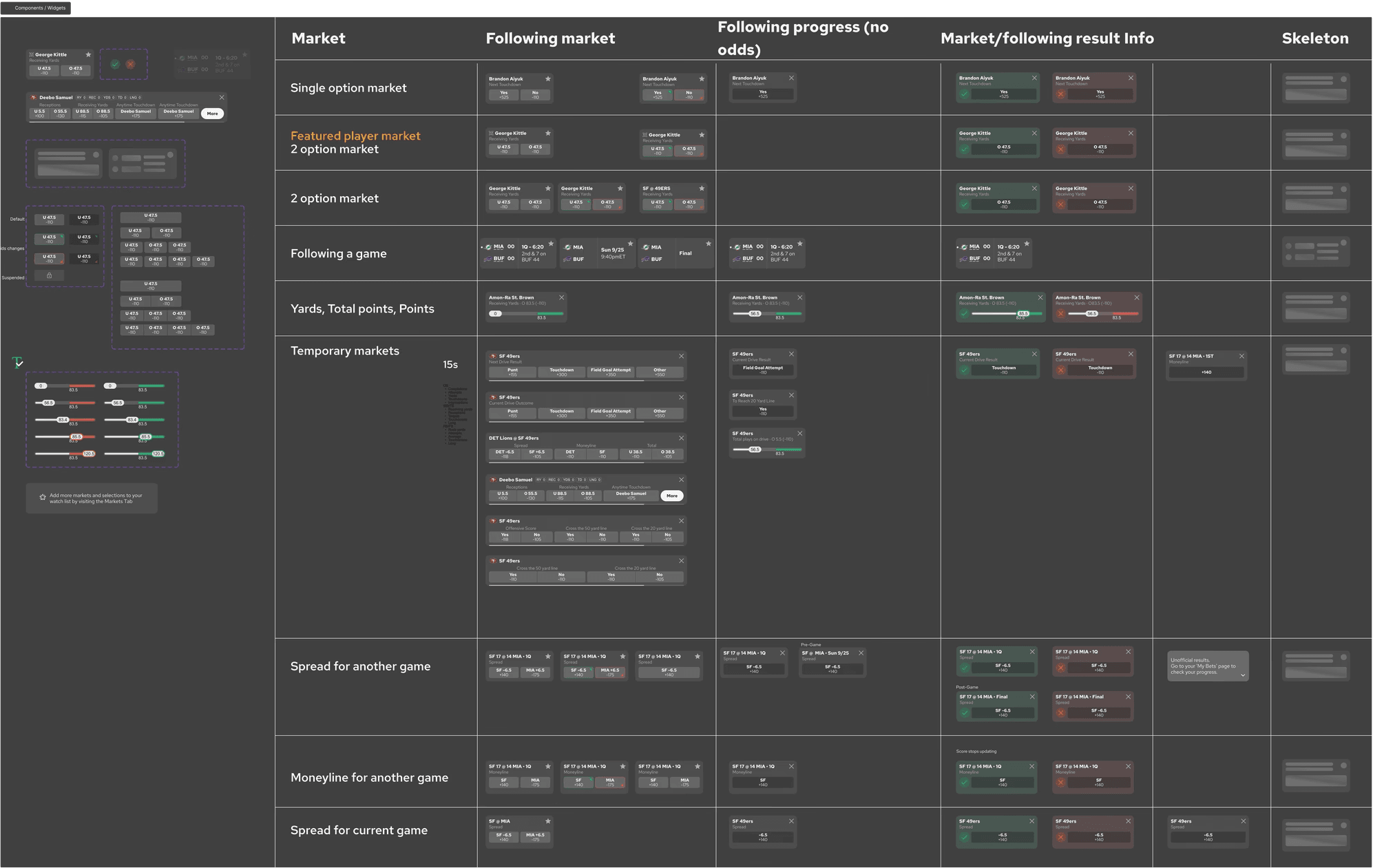
As BetVision expanded beyond NFL into soccer, basketball, tennis and other sports, the product needed a flexible foundation that could scale across different game structures, operators and devices without requiring complete redesigns.
I worked on building a scalable UI Kit and interaction system that could support multiple sports, responsive behaviors and evolving feature sets across desktop, tablet and mobile experiences.
One of the biggest challenges was designing patterns that could adapt to very different types of sports data, betting structures and live moments while still feeling consistent to users.
The system also had to remain flexible enough to support multiple sportsbook operators, each with different navigation structures, betting categories and technical constraints.
As the product evolved, this scalability became increasingly important. New sports, leagues and interaction models were added progressively, requiring the experience to adapt without losing usability or creating unnecessary complexity for users.
Outcomes & Impact
The product saw a 110% increase in streams year-over-year, while introducing new interaction models around live betting, contextual data and real-time engagement inside sportsbook environments.
Its flexible product foundation also allowed the experience to adapt across different operators, sports and devices without requiring complete redesigns as the platform evolved.
BetVision continued expanding after launch, growing from an NFL-focused experience into a multi-sport platform supporting soccer, basketball, tennis and competitive gaming across hundreds of leagues worldwide.